Love Always Wins
What England’s Team Is Really Showing Us

There’s a particular kind of gripping that happens when a nation watches its team advance in a World Cup. It isn’t just about goals or tactics. It’s about recognition watching eleven people on a pitch and feeling, somewhere underneath the noise, that’s us.
That’s what’s happening with England this summer. We’ve watched the journeys of individual players we’ve come to love, man and boy a generation Gareth Southgate began knitting together, now sharpened into a formidable unit under Thomas Tuchel. They are extraordinary to watch. And the songs the terraces in full voice, thousands of strangers singing the same words at the same moment are their own kind of communion.
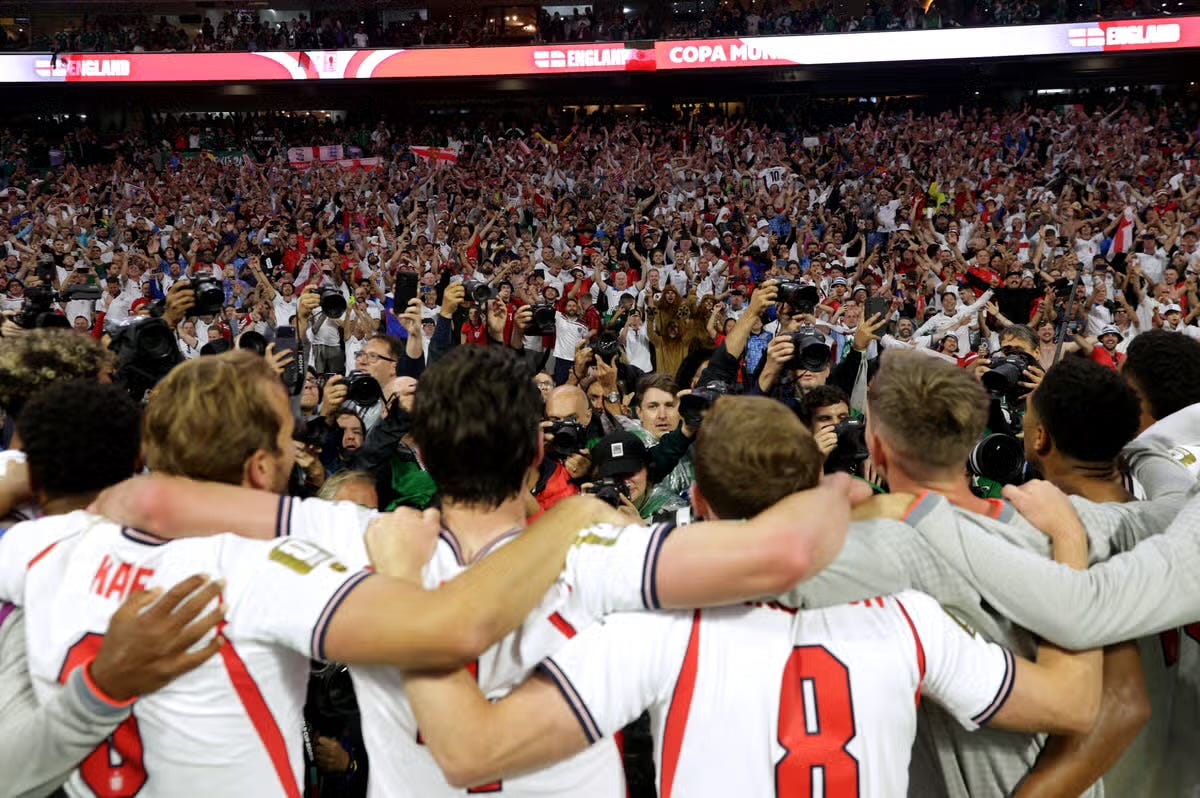
But here’s what I keep coming back to: the team is a metaphor for the country. Not for some imagined England of the past, and not for the flattened, nostalgic Britain that certain voices keep trying to sell us. This team is the 2026 version of Britain the one that actually exists. Black, white, Muslim, Christian, atheist, straight and queer fans singing side by side in the stands all pulling in the same direction, all equal, all roaring forward together, the team shows you working-class kids from every corner of these islands all pulling in the same direction, all equal, all roaring forward together.
Football has always been a testing ground for who a country believes itself to be. And what this England side keeps proving, match after match, is that multiculturalism isn’t a threat to national identity it is the national identity. It has been for far longer than the loudest objectors would like to admit. People of African and Asian descent have lived and worked in Britain for close to two thousand years, from Roman-era Britain through the Tudor and Georgian periods, through the Windrush generation who rebuilt the country after the war, right up to today. Britain has never, at any point in its history, been the monochrome place that certain politics likes to imagine.
So when the flag gets co-opted by people preaching decline, exclusion, “remigration,” the stripping back of settled people’s rights to remain it’s worth asking what exactly they think they’re defending. This is a country that spent centuries sailing out into other people’s nations, absorbing their labour, their land, their culture, and then, eventually and imperfectly, inviting some of their descendants to call Britain home. You cannot write that history and then act shocked by its consequences. The particular flavour of grievance politics driving this the sense that a mythical, purer past has been stolen didn’t originate here. It arrived, largely, from across the Atlantic, and found fertile ground in parties that talk endlessly about the future while trying to drag the country back to a time that never actually existed.
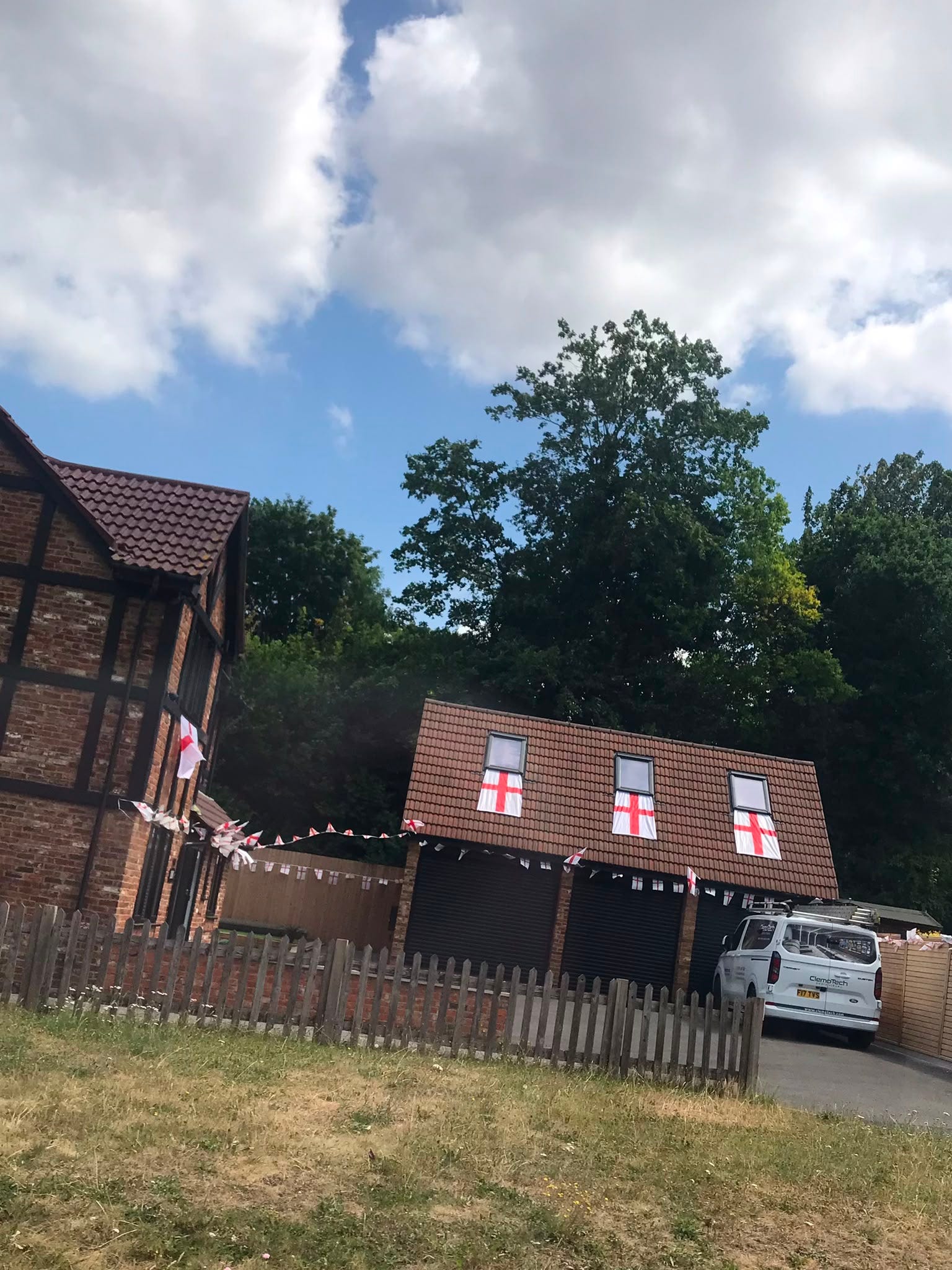
Meanwhile, this England team just gets on with being brilliant. And I think of Ian Wright, who has spoken with real clarity about being proud to be English precisely because of what modern England is not in spite of it. There’s a lesson in that. The people who reminisce about the “old days” of English football, who preferred it when the faces on screen looked more like them, are choosing nostalgia over reality and reality is winning, on the pitch and off it.
London being named one of the best cities in the world isn’t despite its diversity. It’s because of it. Openness, plurality, difference held together with respect that’s not a weakness to be defended against. It’s the actual source of the brilliance, the culture, the energy that makes a place worth living in and a team worth loving.
That’s the thing about love and openness: they don’t just feel good, they work. An England built on inclusion is an England that wins creatively, culturally, and yes, on a football pitch in front of the whole world. This team, gorgeous and gutsy and utterly of this moment, is showing us what’s possible when everyone is genuinely allowed to belong. No exclusions. Everyone part of the journey.
That’s not sentimentality. That’s the winning formula.