The Locked Door
On Outgrowing the Need for Escape

For most of my life, friends were my lifeblood. I am only now, in my sixth decade, understanding why and why that is no longer true.
The House With Six Bedrooms
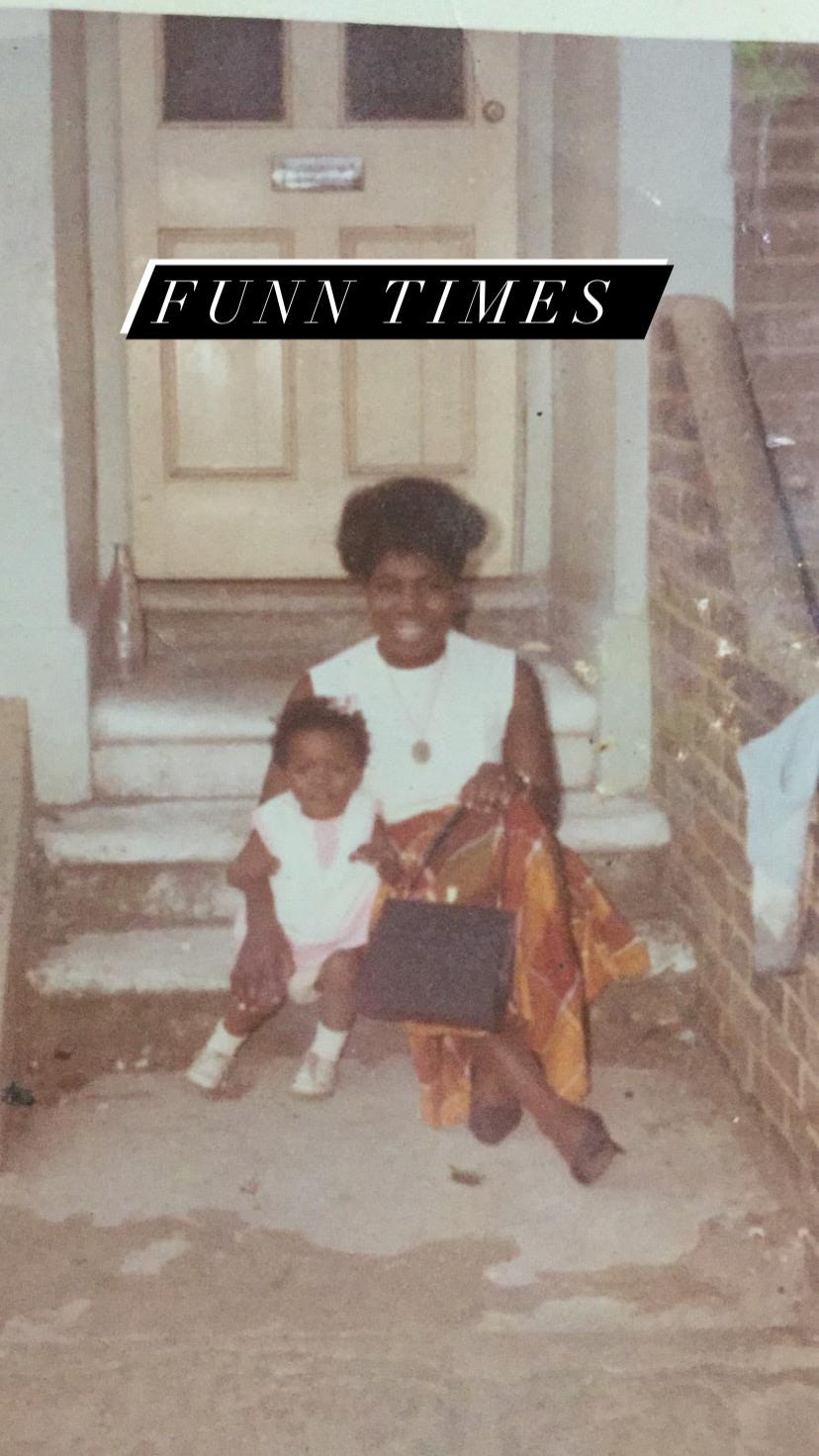
I grew up in a home that was loving and also, quietly, chaotic. My mother was an NHS nurse who also carried a chronic illness; my father was a qualified electrical engineer who never stayed still mini-cab driver, logistics man, importer-exporter, a man who tried his hand at everything and treated the world as his playground, affairs included. Between them they bought a large six-bedroom house, my mother’s idea, and the rent from the extra rooms held us up alongside her nursing wage. He blended two families under that roof two sons from an earlier marriage, four of us after and by the time my younger siblings arrived, we had already lived through a few decades of boom and bust. My mother’s health paid the price.
As the eldest daughter, I inherited responsibility the way other children inherit toys. There was a moral code, unspoken but absolute: whatever chaos lived inside that house stayed inside it. No one at the front door was to know. I carried duty and a kind of low-grade shame in the same hand, and I didn’t yet have a name for either.
I loved the solitude of the laundry room. Once a week I did the whole family’s washing, alone, and it was the only time nothing was required of me except the task in front of me.
Friends as Oxygen
So when I found what I thought were good friends, I went all in. Not cautiously completely. Friendship was the one place I could play without worrying, laugh without managing anyone else’s needs. I was bullied at school for how I looked, confused about my sexuality as a neurodivergent tomboy in a world with no language for either, and largely left to figure myself out when my mother was away working or, when she was home, racing through two weeks of backlog in four days.
Drama school, from age ten, became a second home. I made friends easily there and used to linger long after class just to sit in the feeling of the place. By my teens, chores done, I was out on the street, in the song Street Life, because that was me: popular, out, escaping.
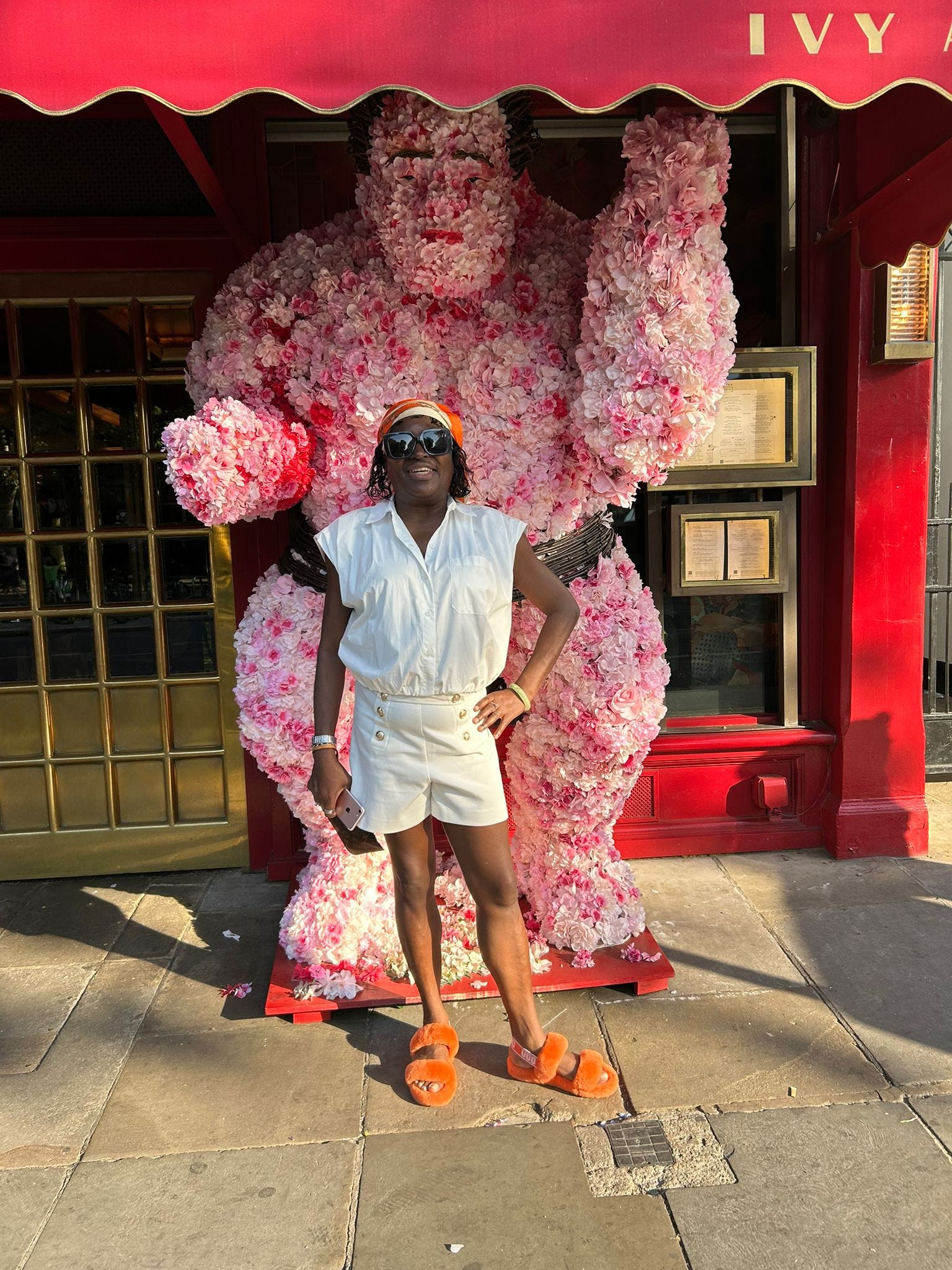
I carried that pattern straight into adulthood. Every new setting school, work, marriage I made friends the same way: accommodating, full of love and support and almost no discernment at all. Loyal, often, to people who, looking back, had done nothing to earn it. I didn’t need them to earn it. I needed them to be there, because friendship had always been my exit from the house with the locked front door and the chaos behind it.
The Quiet Turning
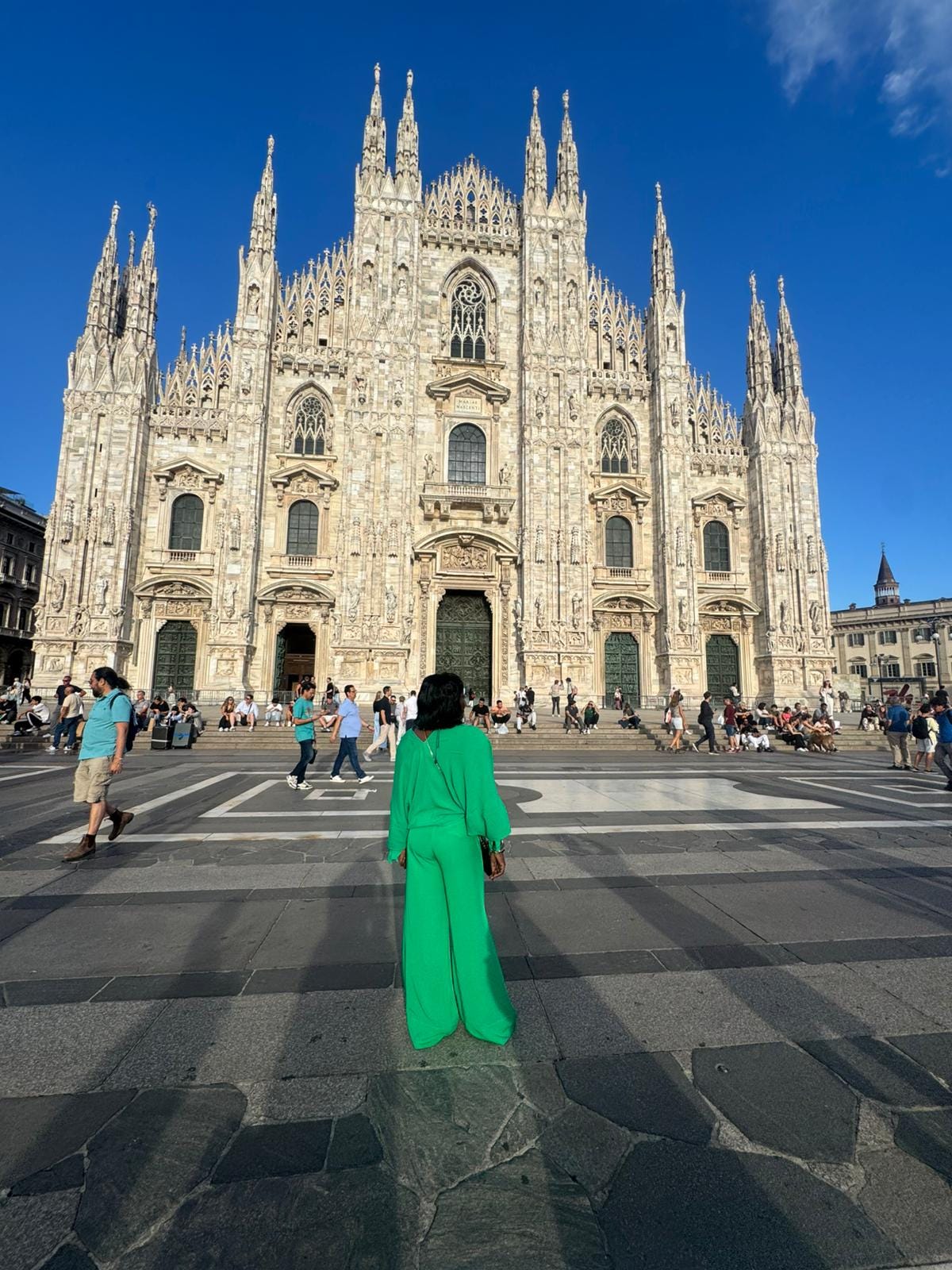
When I married, my husband became my best friend, and something in me loosened. I still kept a good circle, still stayed in situations longer than they deserved. But about five years ago, something started shifting, and lately it has gone deeper. I am cutting people away gently, but with a door that locks behind it. Not from anger. Just an absence of feeling. Misalignment, unkindness, people who no longer bring joy I notice it, and I close the door, and I don’t look back.
What’s strange is that I’m still completely open to new friendship. I make new friends easily. I’m just entirely unbothered by the absence of the old ones. That’s the part that stopped me in my tracks: not the cutting off, but how little it costs me now.
What Jung Would Call It
Carl Jung might say I’m finally living out something he considered almost biological: individuation the process, he believed, that intensifies in the second half of life once the tasks of youth are behind you. Survival, duty, proving yourself, holding a family together from the inside those were the tasks of my first decades. What’s happening now is the self that was underneath all of it, finally being allowed to lead. He’d probably point to the persona the mask we wear to be acceptable, likable, safe. Mine was built early: the accommodating one, the loyal one, the one who never let anyone see the chaos. That mask served me. It got me friends, love, belonging. But a persona built out of necessity eventually starts to cost more than it earns, and Jung believed that as people individuate, the mask loosens whether they consciously choose it or not. Relationships that were held together by the persona by my performance of endless warmth and low discernment don’t survive the mask coming off.
He’d also likely name enantiodromia his term for a psychic pattern that, pushed far enough in one direction, suddenly flips into its opposite. Decades of accommodating everyone, forgiving everyone, staying loyal past the point of merit and then, seemingly overnight, a woman who locks doors gently and doesn’t look back. It isn’t sudden. It’s pressure, finally releasing.
And there’s the shadow the parts of ourselves and our situations we don’t yet have the readiness to see. For years I didn’t fully see what some of these friendships were costing me, because I still needed the escape they offered. Once the need for escape disappeared, so did the blindness. I can now see clearly what I used to walk past.


No More Need to Escape
Here is the truth underneath all of it: friends were always my escape hatch from a life that, as a child, I had no way of leaving. I don’t need an escape hatch anymore. I love my home. I love my family. I love my life. Most of all and this took sixty years I love me.
So the door closes gently, and it locks, and I don’t feel bad about it anymore. That’s not coldness. That’s what it looks like when you finally stop needing to run.